88% of AI proofs of concept do not need another model. They need a platform control plane.
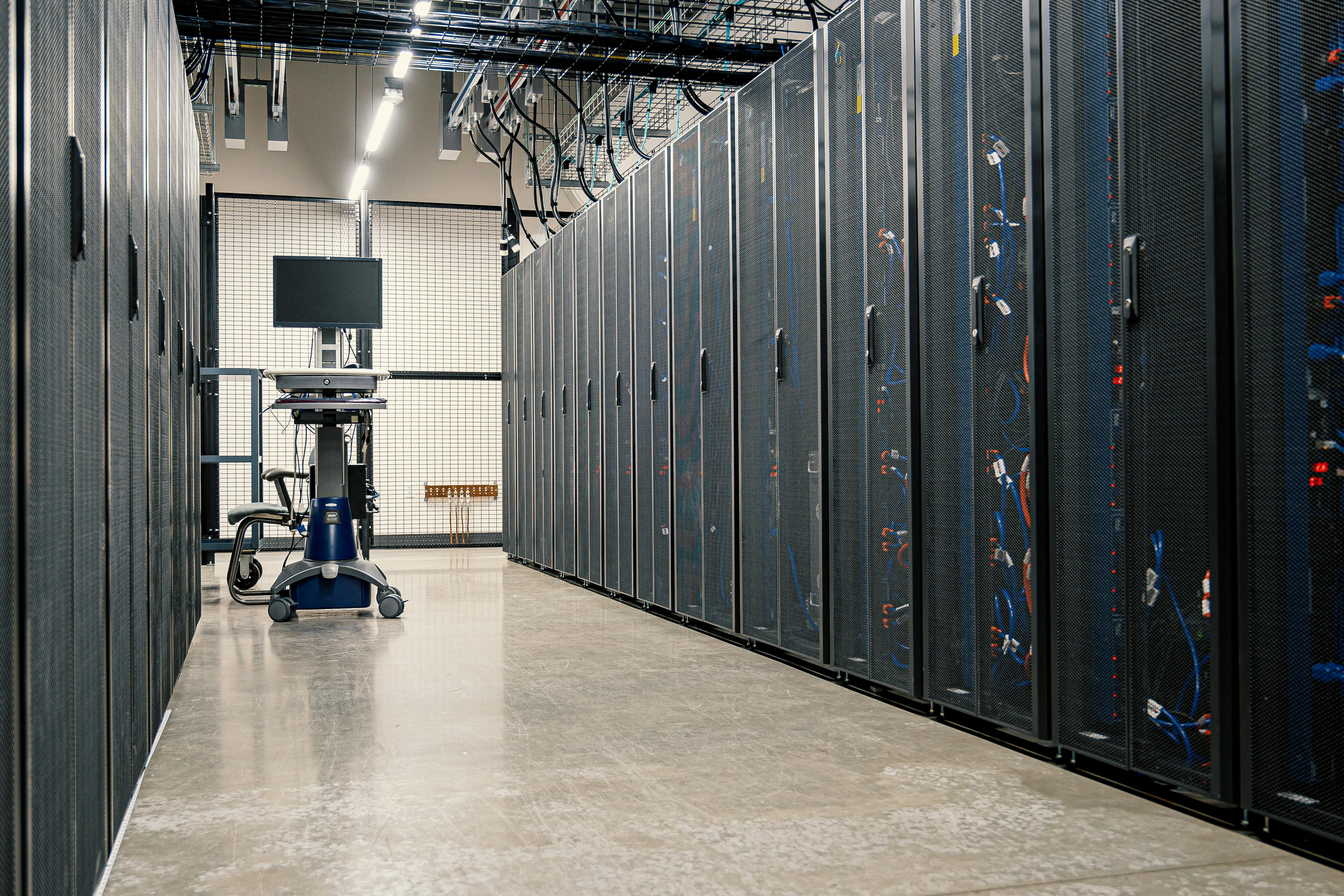
Wood Mackenzie says 88% of its AI proofs of concept never reach widescale deployment. Its APEX architecture points to the operational fix: centralise identity, policy, evaluation and tool access while keeping agent business logic replaceable.
Wood Mackenzie says 88% of its AI proofs of concept never reach widescale deployment. Its response was not to standardise on one model. On 17 September, the company described APEX, a shared agent platform built on Amazon Bedrock AgentCore that centralises runtime, identity, tool access, guardrails, observability and evaluation.
The useful lesson is not that every enterprise needs AgentCore. It is that production agents need a platform contract before teams multiply them.
Standardise the control plane, not the agent
Before APEX, Wood Mackenzie had three applications heading towards separate agent stacks. Each would have implemented its own runtime, identity and observability. The shared platform instead carries user entitlements through downstream tool and data calls, exposes tools through a governed gateway, and keeps model and framework choice outside the control-plane contract.
That separation matters. Model choice changes quickly; authority boundaries should not. A team should be able to replace a model or framework without rebuilding authentication, audit policy or tool permissions around it.
The reusable unit is not the agent. It is the governed path from identity to action.
A gateway turns tool sprawl into a policy boundary
Wood Mackenzie's hub-and-spoke design routes agents and applications through one AgentCore Gateway rather than maintaining point-to-point connections to every service. The gateway supports IAM, OAuth 2.1 and API-key authentication, while policy can intercept tool calls before execution.
For security teams, this changes where controls belong. Rate limits, data protection, telemetry and authorisation can be enforced at the shared tool boundary instead of being reimplemented inside each agent. A policy change then reaches every consumer of that tool path rather than waiting for multiple application releases.
Make production readiness a platform property
Wood Mackenzie also puts observability and evaluation into the common layer. AgentCore emits OpenTelemetry-compatible telemetry, and evaluations score dimensions such as tool selection and accuracy against real traffic. That makes production readiness measurable independently of a team's prompt or framework.
The practitioner move is to define a minimum agent platform contract before approving more deployments: dedicated identity context, centrally governed tool access, session isolation, traceable actions, evaluation on representative traffic and a shutdown path. Product teams can retain freedom above that boundary.
A shared platform should not become a permission shortcut. Centralisation increases the blast radius of a bad gateway rule, so policy changes need versioning, review and rollback. The payoff is that those controls are reviewed once as infrastructure rather than rediscovered after every agent reaches production.
Sources
- A shared agentic platform for Wood Mackenzie, on Amazon Bedrock AgentCore — AWS Machine Learning
Written by the Devence Lab research team.